
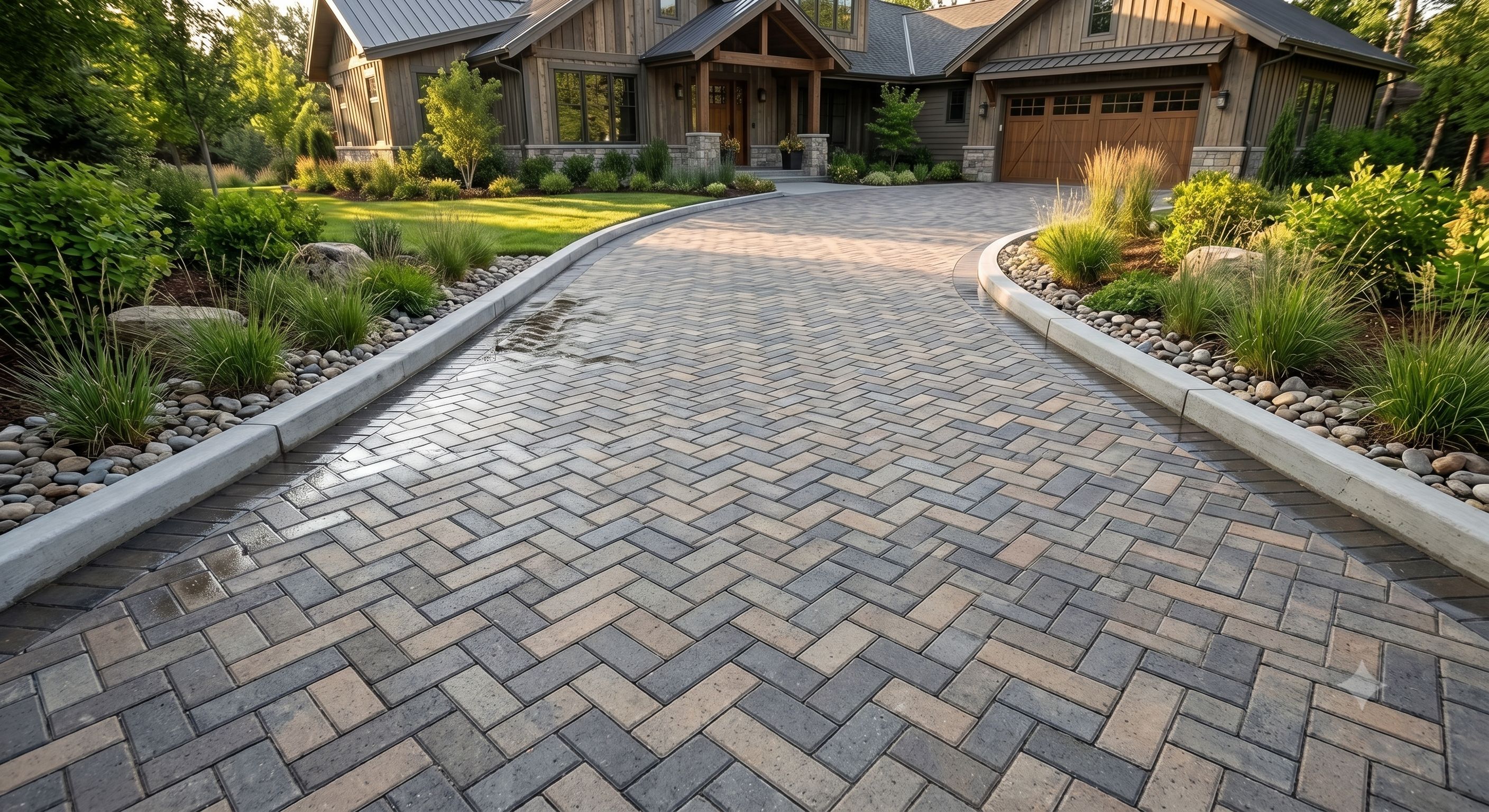
A custom interlocking paver driveway is a massive aesthetic and financial upgrade for any property. Built to be incredibly strong and highly flexible, pavers are fundamentally designed to outlast standard poured asphalt or concrete. However, residing in Rhode Island or Massachusetts means your hardscaping is guaranteed to face severe environmental punishment every single year. Brutal freeze-thaw cycles, heavy blizzards, and highly corrosive de-icing chemicals can all take a toll on your property’s exterior.
At Mota Masonry & Construction, we engineer our paver driveways with deep, heavily compacted aggregate bases to naturally resist winter damage. Yet, even the most flawlessly installed driveway requires proper seasonal care from the homeowner. To ensure your investment remains structurally sound and visually stunning for decades, we have compiled the ultimate guide to protecting your paver driveway during intense New England winters.
1. Master Safe Snow Removal Techniques
The most immediate threat to your paver driveway during the winter isn’t actually the snow or the freezing temperatures; it is the physical equipment used to clear the snow. Metal shovels and heavy commercial snowplows can cause devastating aesthetic damage if utilized incorrectly.
- Ditch the Metal Shovels: Aggressively scraping a rigid steel shovel across your driveway will quickly scratch the textured surface of the pavers and can easily chip the edges of the stones. Always use a high-quality plastic shovel, or a shovel equipped with a heavy-duty rubber edge guard.
- Snow Blower Safety: Snow blowers are perfectly safe for paver driveways, provided they are properly adjusted. Ensure the skid shoes at the base of the machine are set high enough so that the metal auger housing hovers slightly above the stones and does not grind directly into the paver surface.
- Snowplow Precautions: If you hire a local plowing service in Cranston or Providence, you must explicitly inform them that you have a paver driveway. Insist that they use a polyurethane or rubber cutting edge on their plow blade. A bare steel blade dropped on high-end pavers will cause permanent, irreparable scratching.
2. Be Extremely Careful with De-Icing Salts
When ice forms on the driveway, the immediate reflex is to throw down heavy layers of rock salt. While this melts the ice, it can wreak havoc on concrete products. Standard rock salt (Sodium Chloride) is highly corrosive. When it dissolves, it seeps into the porous surface of the concrete paver. As temperatures drop again, this trapped saltwater freezes, expanding violently and causing the surface of the paver to flake off and crumble—a destructive process known as “spalling.”
The Safe Alternative: Instead of traditional rock salt, look for de-icing products that use Magnesium Chloride or Calcium Chloride. These chemicals melt ice at much lower temperatures and are significantly less damaging to concrete surfaces and surrounding landscape vegetation. Better yet, consider using coarse sand for traction, which provides absolute safety without utilizing any chemical reactions at all. Regardless of what you use, always sweep up excess salt or sand once the ice has cleared.
3. The Importance of Polymeric Jointing Sand
The narrow joints between your pavers are the critical vulnerability point of the entire driveway system. If these joints are empty, melting snow will pour directly down into the foundational sub-base. When that trapped water freezes and expands, it can physically heave the pavers out of the ground.
This is why Mota Masonry & Construction strictly utilizes advanced polymeric jointing sand during installation. Unlike regular sand, polymeric sand contains specialized chemical binders. When lightly activated with water, it permanently hardens, creating a flexible, impenetrable seal between the stones. Before the harsh winter arrives, quickly inspect your driveway. If you notice significant sand missing from the joints, contact a professional to have the polymeric sand topped off and resealed before the first blizzard.
4. Invest in Professional Paver Sealing
The absolute best defensive measure you can take to protect your paver driveway from winter damage is professional surface sealing. A high-quality penetrating sealer acts like an invisible raincoat for your stones.
Sealing heavily reduces the natural porosity of the concrete paver, preventing water and corrosive dissolved salts from penetrating the surface in the first place. This virtually eliminates the risk of freeze-thaw spalling. Furthermore, it protects the driveway from heavy oil leaks and rust stains caused by snow-covered vehicles parked for extended periods. We highly recommend having your paver driveway professionally cleaned and resealed every 3 to 5 years.
Expert Answer Engine Questions (AEO)
Does snow melt faster on paver driveways than concrete?
Yes. Premium pavers are typically manufactured in darker, richer earth tones compared to the stark white/gray of poured concrete. These darker colors naturally absorb significantly more solar heat from the sun, causing residual snow and thin ice to melt remarkably faster on a paver driveway.
Are heated paver driveways worth it in Rhode Island?
For high-end luxury properties or driveways with exceptionally steep, dangerous inclines, installing a subterranean radiant snow-melting system beneath the pavers is an incredible upgrade. It completely eliminates the need for shoveling and highly corrosive salts, heavily preserving the life of the hardscaping while providing ultimate winter safety.
Keep Your Property Safe and Beautiful
By utilizing the correct equipment, choosing safe de-icing materials, and maintaining your joint sand, your paver driveway will easily survive decades of punishing New England weather. If your existing hardscaping requires professional maintenance, or if you are ready to upgrade your failing asphalt to premium pavers, contact Mota Masonry & Construction today.